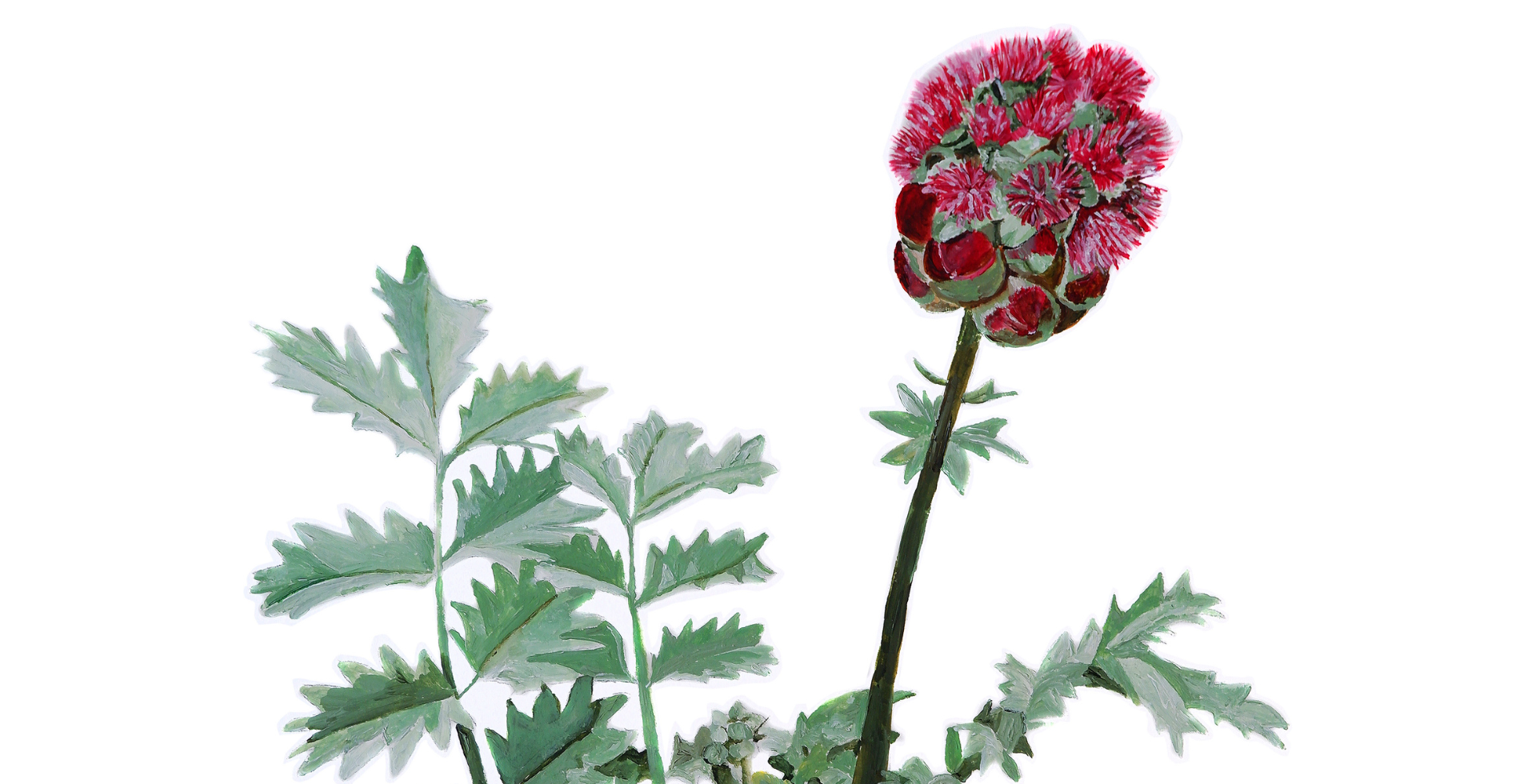
Salad burnet

What isย Salad burnet?

Salad burnetย is an indicative plant species of healthy chalk grassland.ย ย Aย member of the rose family, it is a hairless branching plant between 15 and 40 cm tallย with basal rosettes ofย deeply toothed pinnate leavesย (consisting of pairs of leaflets)ย and globular pink/green flowerheads.ย Itย flowers between May and August andย smells of cucumber when crushed.

Why is Salad burnet important to the Surrey Hills?

Itโ€™s status isย frequent to locally abundant on chalk grassland.

What habitat does the Salad burnet like?

Chalk Grassland

Chalk grasslandย (or lowland calcareous grassland)ย is aย habitat of international importance forย bothย its rarity andย itsย species richness.ย Itย is found over limestone and chalk rocks and grows below an altitude of 250 metres on shallow, lime-rich soils, mainly in the warmer, drier south and east of the UK.ย  As many asย 40ย differentย plantย speciesย can be foundย within a square metre. Many ofย themย are so specialised that theyย can be foundย onlyย in chalk grasslandย whereย they are specially adapted to theย thin,ย infertileย but base-richย soils.ย Characteristic featuresย of the habitatย often include ant-hills and, on steep slopes,ย terracettesย or sheep walks.ย Small patches of scrub add to the habitat diversity by providingย bird-nesting habitat and song-posts.

The UK holdsย aroundย 50% of the worldโ€™s surviving chalk grasslandย with major concentrations on the North and South Downsย of south-east England.ย Formerly widespread in these areas,ย an estimated 80%ย had disappearedย by WWIIย andย only 1% of the Surrey Hills has remnant chalk grassland cover.

What can be done to benefit Salad burnet?

Good management for this species willย create/result in:
  • Chalk grassland with a high diversity of wildflowers andย their associated insects

This will benefit a wide range of other specialist chalk grassland plants including other vetches such as kidney vetch, orchids such as bee orchid and pyramidal orchid, salad burnet, wild marjoram, dropwort, small scabious and many others.ย It will also benefit associated insectsย in particular,ย chalkhillย blue and Adonis blue butterflies, for both of which it is the caterpillar foodplant.

Opportunities to create/improve/extend suitable habitat for this species include:
  • Grazing by hardy livestock breeds to control scrub and dominant grasses
  • Clearing scrub and controlling its regrowth
  • Controlling invasive species such as tor grass, stinging nettle, creeping thistle and common ragwort
  • Protection from nutrient enrichmentย byย fertilisation or agricultural spray drift.


Creating and managing areas for the Salad burnet will help deliver the following benefits to communities:
  • Clean water
  • Clean air
  • Protection from and mitigation of environmental hazards
  • Mitigation of and adaptation to climate change
  • Thriving plants and wildlife
  • Beauty, heritage and engagement

These illustrations are by an artist taking part in a programme delivered by Watts Gallery Trust and funded by the Michael Varah Memorial Fund. This series of 30 Surrey Hills Indicator Species were commissioned by Surrey Hills Society and funded by Surrey Hills Trust Fund as part of the Making Space for Nature Exhibition.