Grey partridge

Video with thanks to avibirds.com.

What is a Grey partridge?

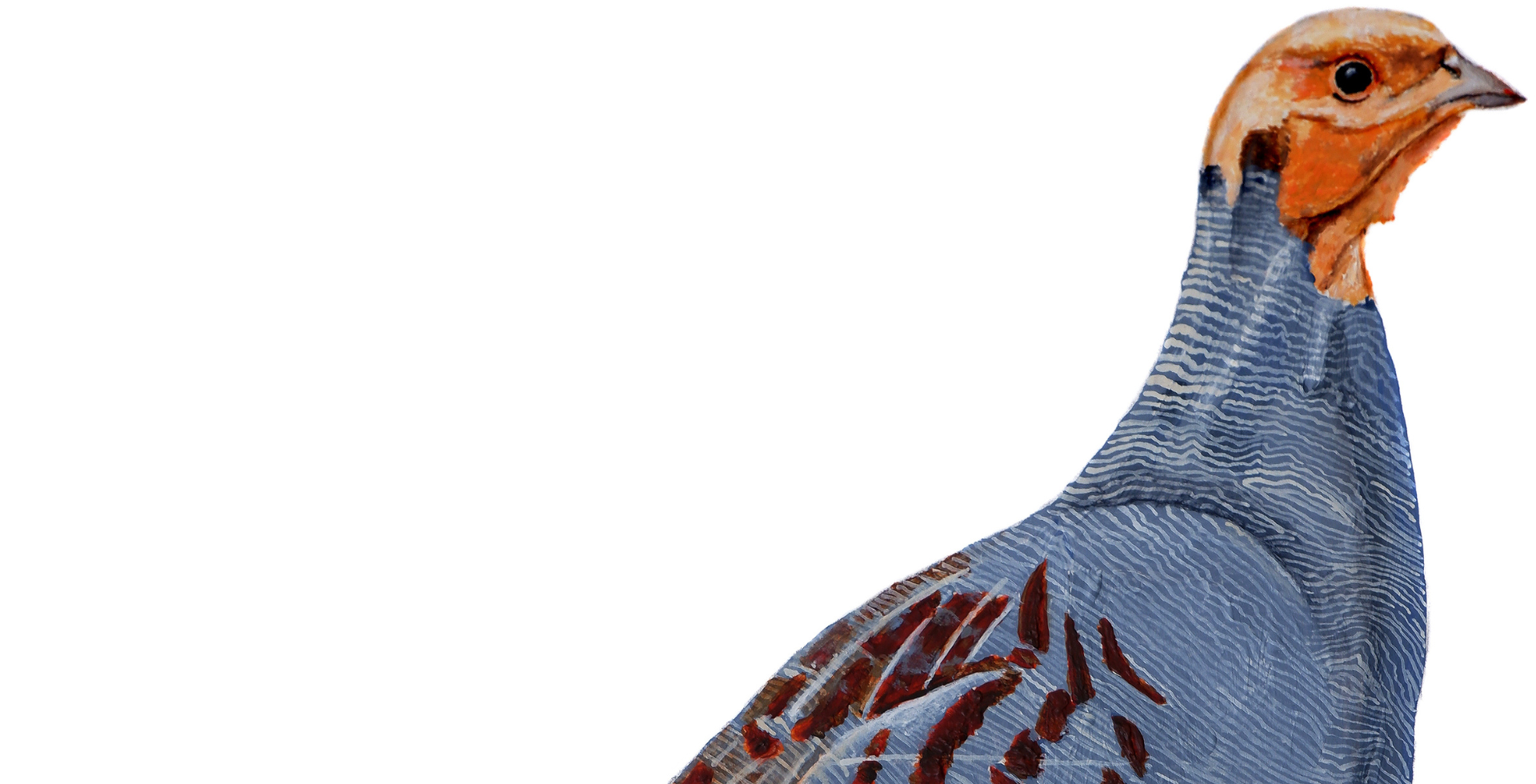
Theย Grey partridge is a bird. Not to be confused with the red-legged partridge,ย which is often bredย for shoots, the grey partridge isย often referredย to as the English partridgeย andย classified asย aย Red List species.ย It has a distinctive rust-coloured mask although if seen, itโ€™s invariably running or flying away from you with a characteristic rapid wing beat that generates a strong whirring sound and in flight,ย reveals matching rust-coloured tail feathers.ย It also has darkย feathers on its chest resembling anย inverted horseshoe.

Why is the Grey partridge important to the Surrey Hills?

The grey partridge hasย suffered a steep decline in numbersย in recent years with this partly being attributed to decreases in insect populations.
What habitat does the Grey partridge like?

Arable

Arable is currentlyย isย one of the most intensively managedย land uses and covers a multitude of cropsย fromย the most basic commodity products such as wheat,ย oilseed rape, sugar beetย and potatoes toย moreย specialistย crops such asย linseed and asparagus.ย Some crops are annualย while others, particularly salad crops, canย yield two or three cropsย each yearย on the same piece of land.

What can be done to benefit the Grey partridge?

Good managementย and habitat creationย opportunitiesย for grey partridgeย includes:
  • Denseย hedgerows generally not more than 2m highย and not grazed out in the bottom.
  • Tussocky grassย marginsย adjacent to the hedge particularlyย whenย itย faces south
  • Dead grass available in the grass margin for nesting material
  • Bare soil strips between the margin and crop forย drying out and dusting
  • A reliable andย productiveย source of insect foodย such as conservation headlands, unharvested cereal headlandsย andย โ€˜bumblebirdโ€™ mixes
  • Supplementary feeding during the โ€˜hungry gapโ€™ย at the end of the winter


Creating and managing areas for the Grey partridge will help deliver the following benefits to communities:
  • Clean water
  • Clean air
  • Protection from and mitigation of environmental hazards
  • Mitigation of and adaptation to climate change
  • Thriving plants and wildlife
  • Beauty, heritage and engagement

These illustrations are by an artist taking part in a programme delivered by Watts Gallery Trust and funded by the Michael Varah Memorial Fund. This series of 30 Surrey Hills Indicator Species were commissioned by Surrey Hills Society and funded by Surrey Hills Trust Fund as part of the Making Space for Nature Exhibition.