Purple Emperor

What is a Purple Emperor?

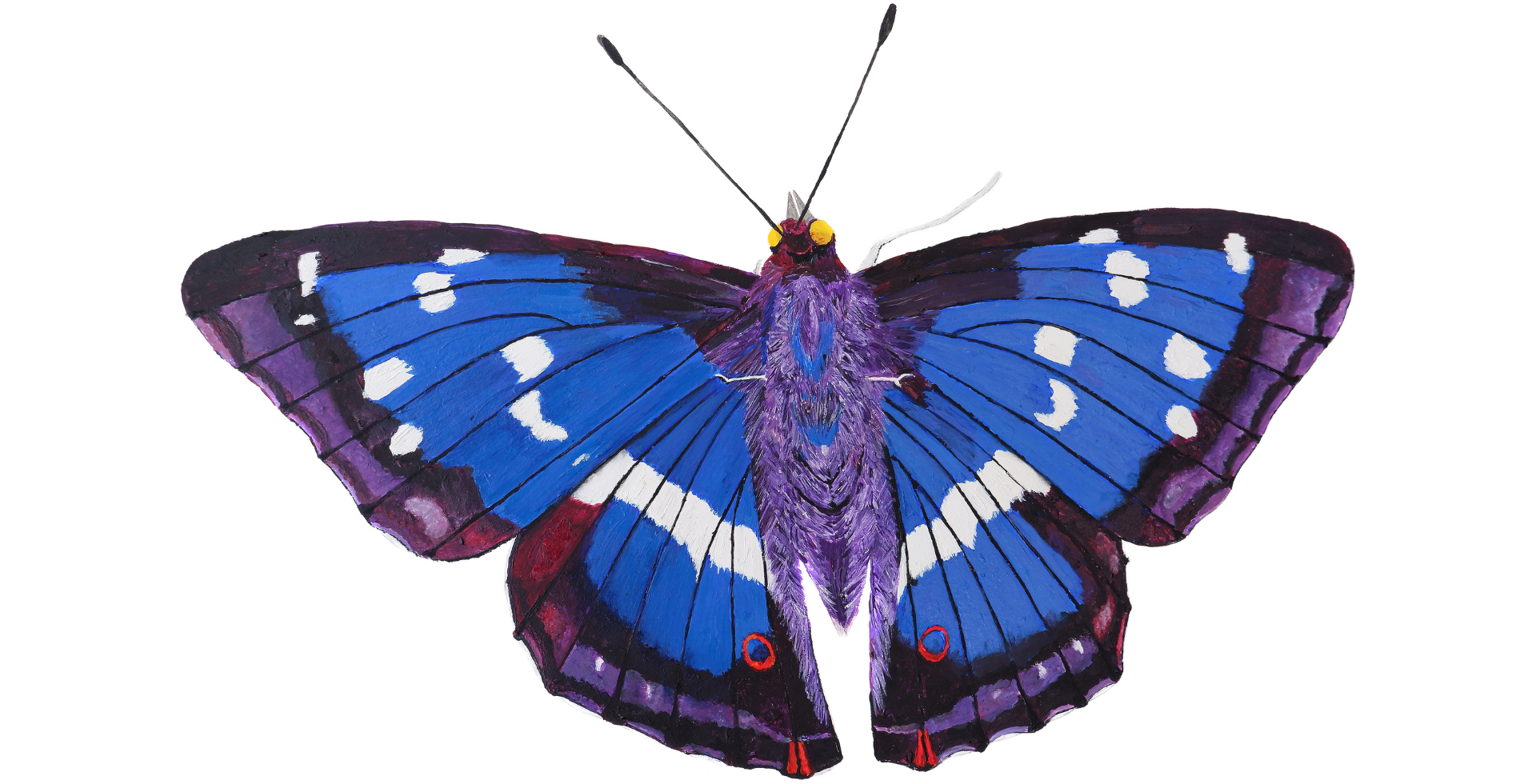
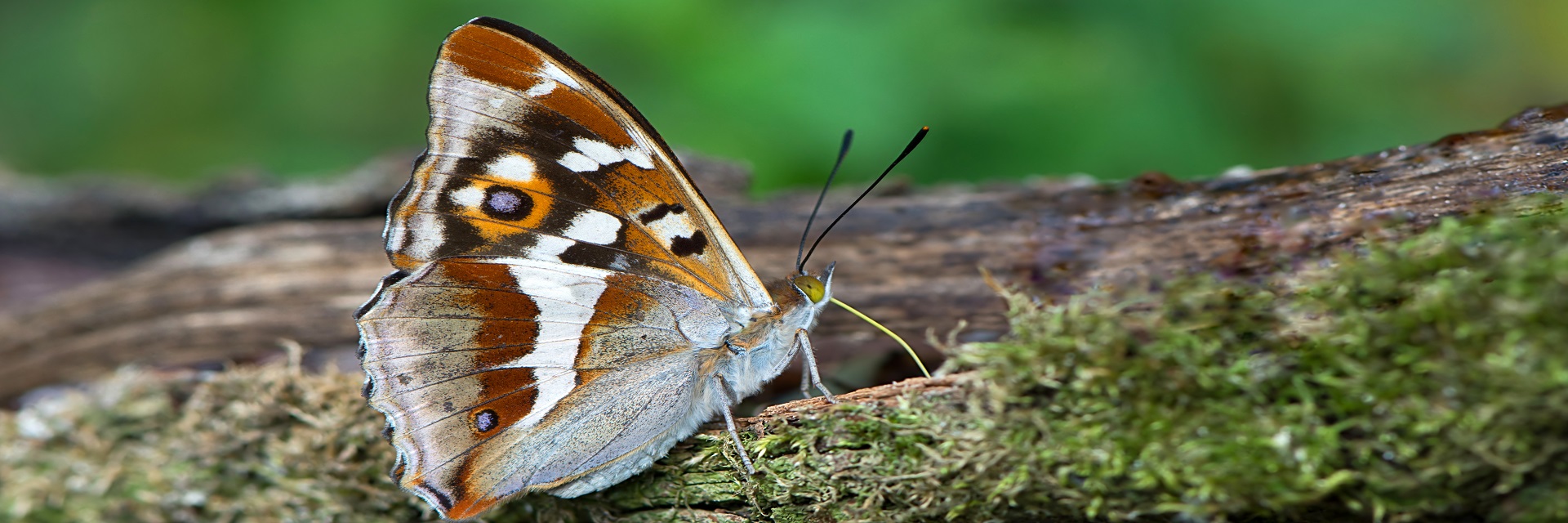
The purple emperorย is one of Britainโ€™sย mostย charismaticย but elusiveย butterflies.ย This magnificent butterfly is the second largest butterfly in the UK and is as big as a small bird.ย The male has an iridescent purple sheen to its upper wings with white bands across the wings. The female is brown and larger than the male.

Purple emperors flyย high in the treetopsย ofย largeย blocks of mature deciduous woodland and clusters of smaller woodsย from late June to early August.ย Goatย willow,ย theirย caterpillar foodplant, is essential.ย Althoughย usually associated with oakย woodland,ย theyย also use ash, beech andย Scotsย pineย as โ€˜master treesโ€™ย for roosting,ย congregatingย and feeding on tree sap.

Why is the Purple Emperor important to the Surrey Hills?

The purple emperor is protected under the 1981 Wildlife and Countryside Act.ย It is restricted to southern and central Englandย where numbers have declined by around 47% since the 1970s.ย ย It is vulnerable to bad weatherย in theย summerย flight season.ย It is also threatened byย lack of woodland management leading toย a lack ofย willow for egg-laying;ย deer-browsing of youngย willow;ย ย drainageย of wet woodlands,ย and loss ofย woodlandย connectivityย leading toย theย isolation of surviving populations.

Good managementย forย this species willย create/result in improved quality and extent ofย deciduousย woodlandย and scrubย habitat,ย particularly inย dampย areas suitable forย goat willow.

What habitat does the Purple Emperor like?

Woodland.

Woodlandย is important because it is one of our most complex habitats and as such, can support more wildlife than almost any other UK habitat. Ancient woodland which has been continuously wooded since at least 1600 AD is particularly important, but younger secondary woodlands and even conifer plantations can be important for nature if managed sympathetically.

What can be done to benefit the Purple Emperor?

Improved habitat for the purple emperor alsoย provides habitat opportunities for a range of otherย wildlife.ย ย Goat willow foliage is eaten by the caterpillars ofย severalย moths, including the sallow kitten, sallow clearwing, dusky clearwing and lunar hornet clearwing.ย  Theย catkinsย orย โ€™pussy willowโ€™ย provide an important early source of pollen and nectar for bees and other insects and birdsย such as the nightingale.

Opportunities toย create/improve/extendย suitableย habitatย forย this speciesย include:
  • Thinning toย encourage the development ofย theย woodlandย shrub layer
  • Promotingย goat willowย in the shrub layer
  • Controlling deer
  • Managing drainageย toย conserveย dampย woodlandย areas


Creating and managing areas for the Purple Emperor will help deliver the following benefits to communities:
  • Clean water
  • Clean air
  • Protection from and mitigation of environmental hazards
  • Mitigation of and adaptation to climate change
  • Thriving plants and wildlife
  • Beauty, heritage and engagement

These illustrations are by an artist taking part in a programme delivered by Watts Gallery Trust and funded by the Michael Varah Memorial Fund. This series of 30 Surrey Hills Indicator Species were commissioned by Surrey Hills Society and funded by Surrey Hills Trust Fund as part of the Making Space for Nature Exhibition.