Volunteer in the Surrey Hills
Make a difference in a landscape you love
Make a difference in a landscape you love
Are you passionate about the Surrey Hills? Whether you have a few hours to spare or want to volunteer regularly, you can help protect and celebrate this special landscape, support local communities, and contribute to the rural economy.
Volunteering is a great way to:
- Meet new people
- Spend time outdoors
- Support your local community
- Protect and celebrate the Surrey Hills for future generations
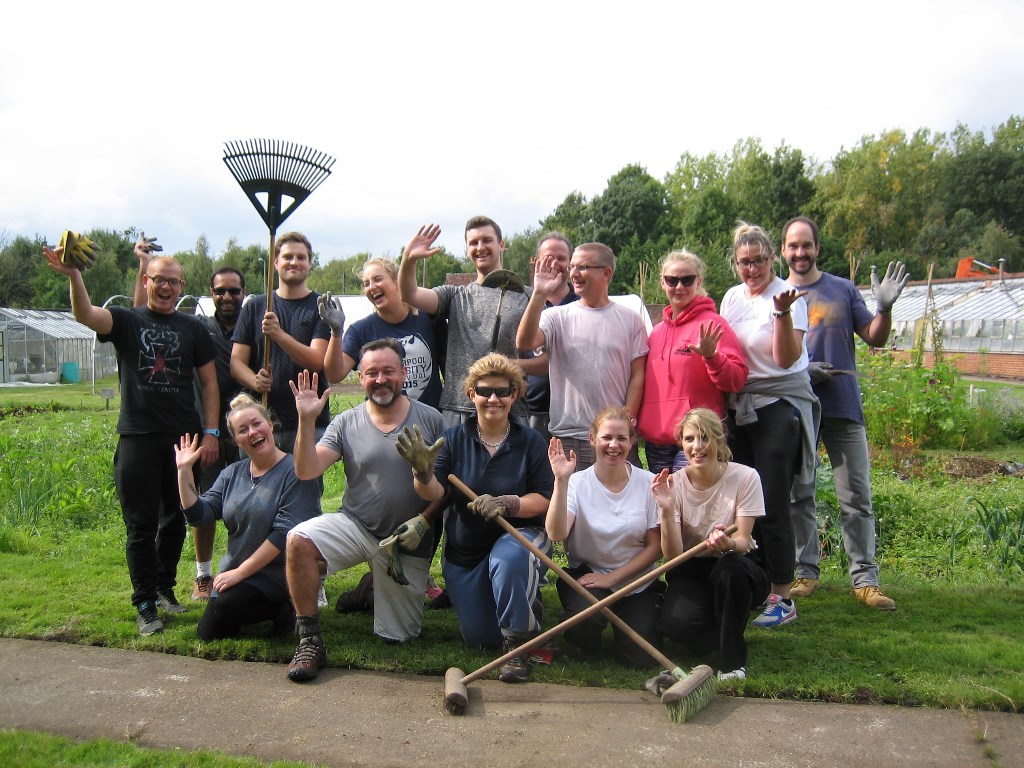
We are looking for enthusiastic volunteers to support everything from practical conservation and wildlife projects to public events, arts activities, visitor engagement and community initiatives.
Ways you can get involved
Conservation and countryside projects
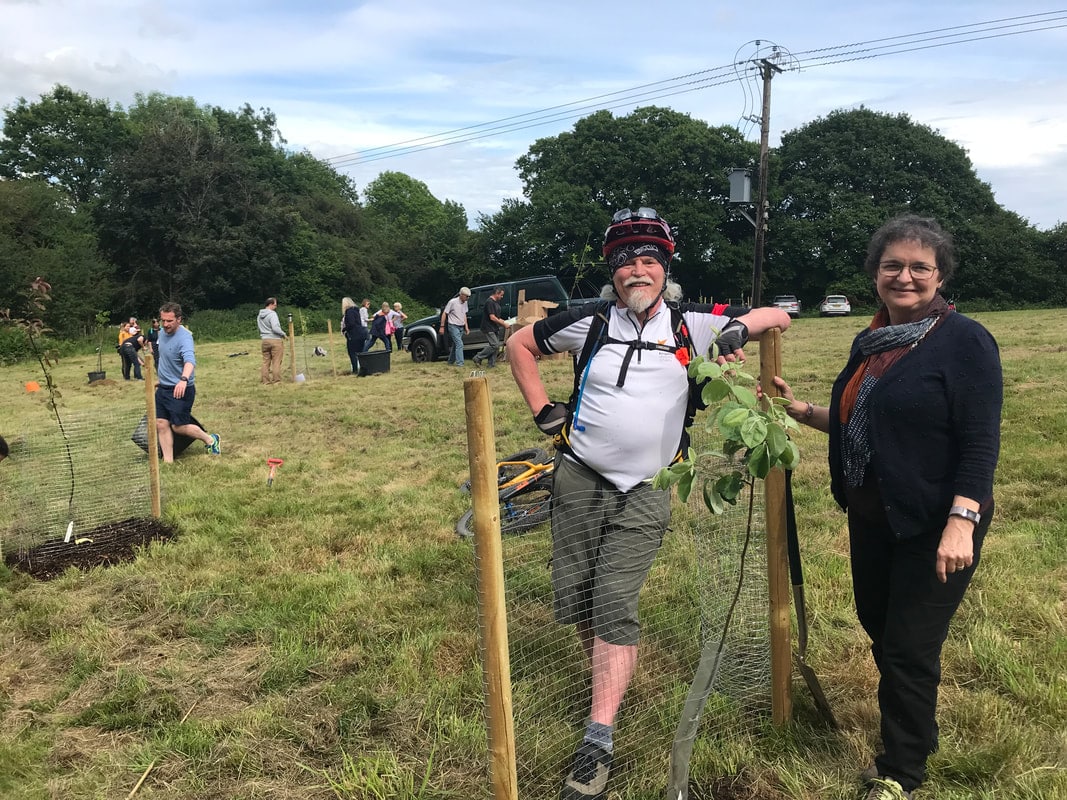
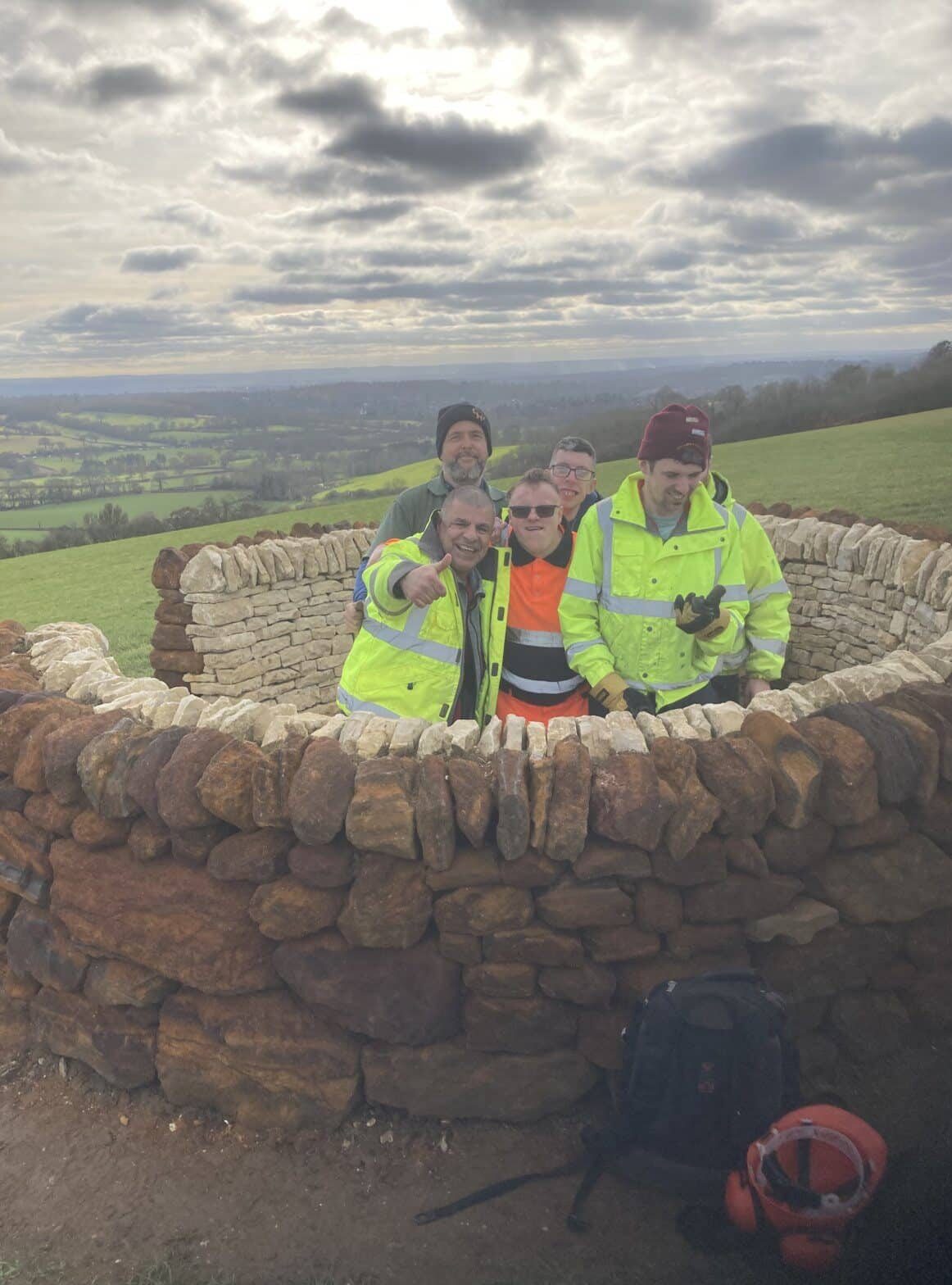
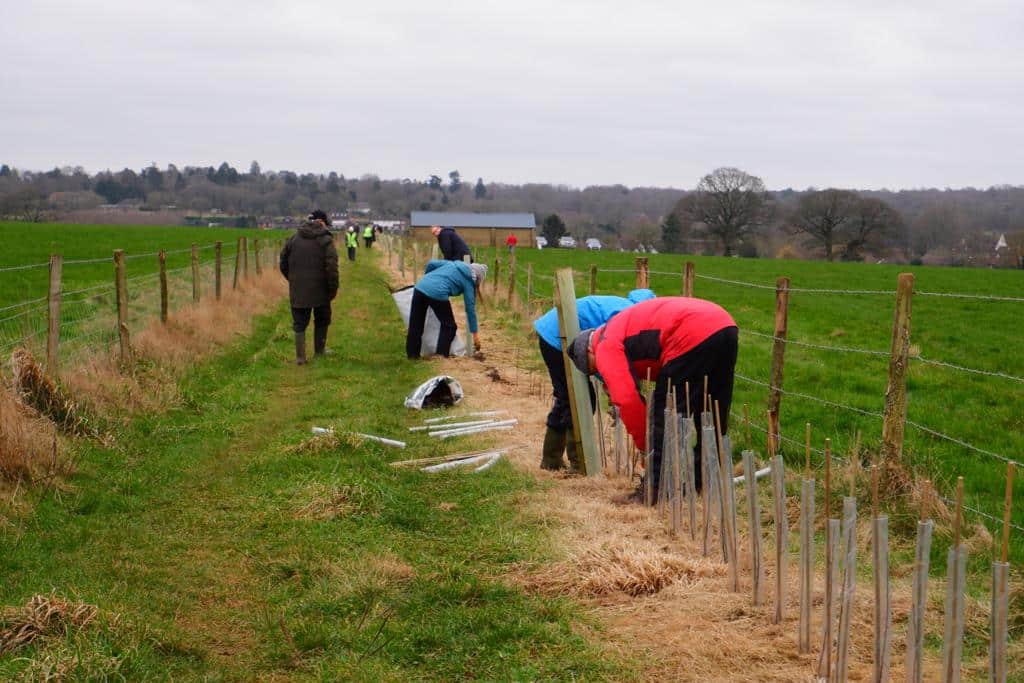
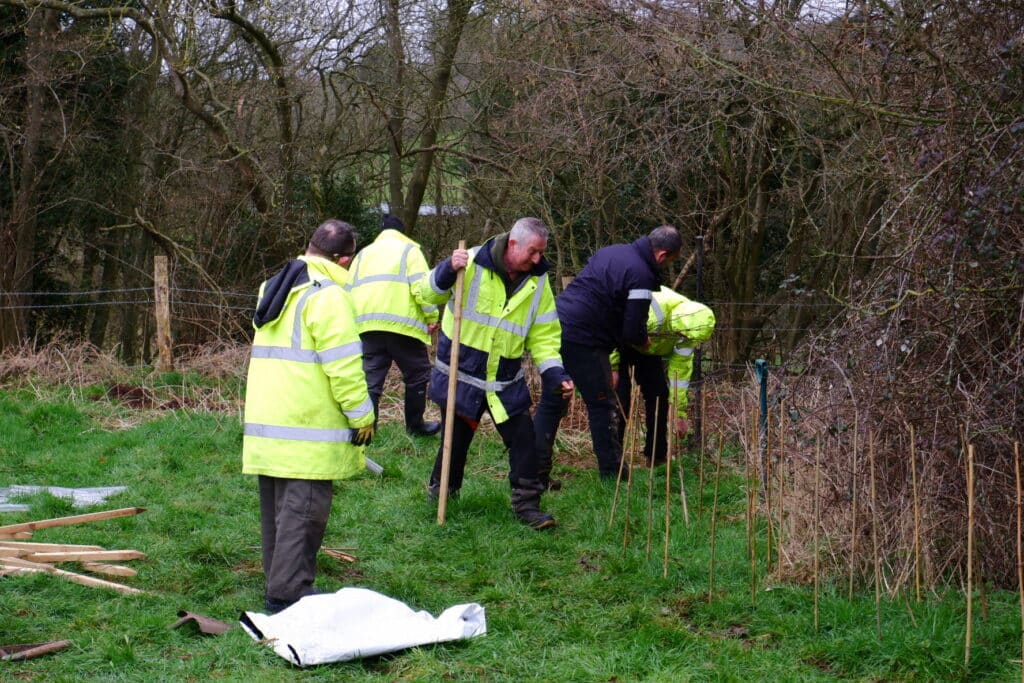
Help care for the Surrey Hills’ stunning landscape and wildlife through practical outdoor activities, including:
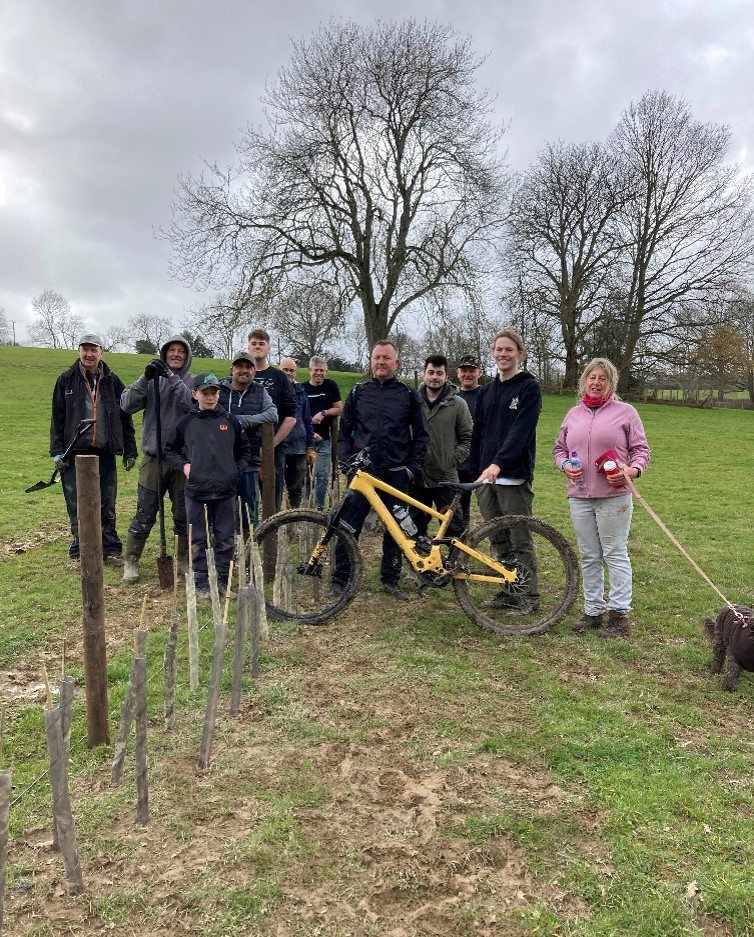
- Hedge and tree planting
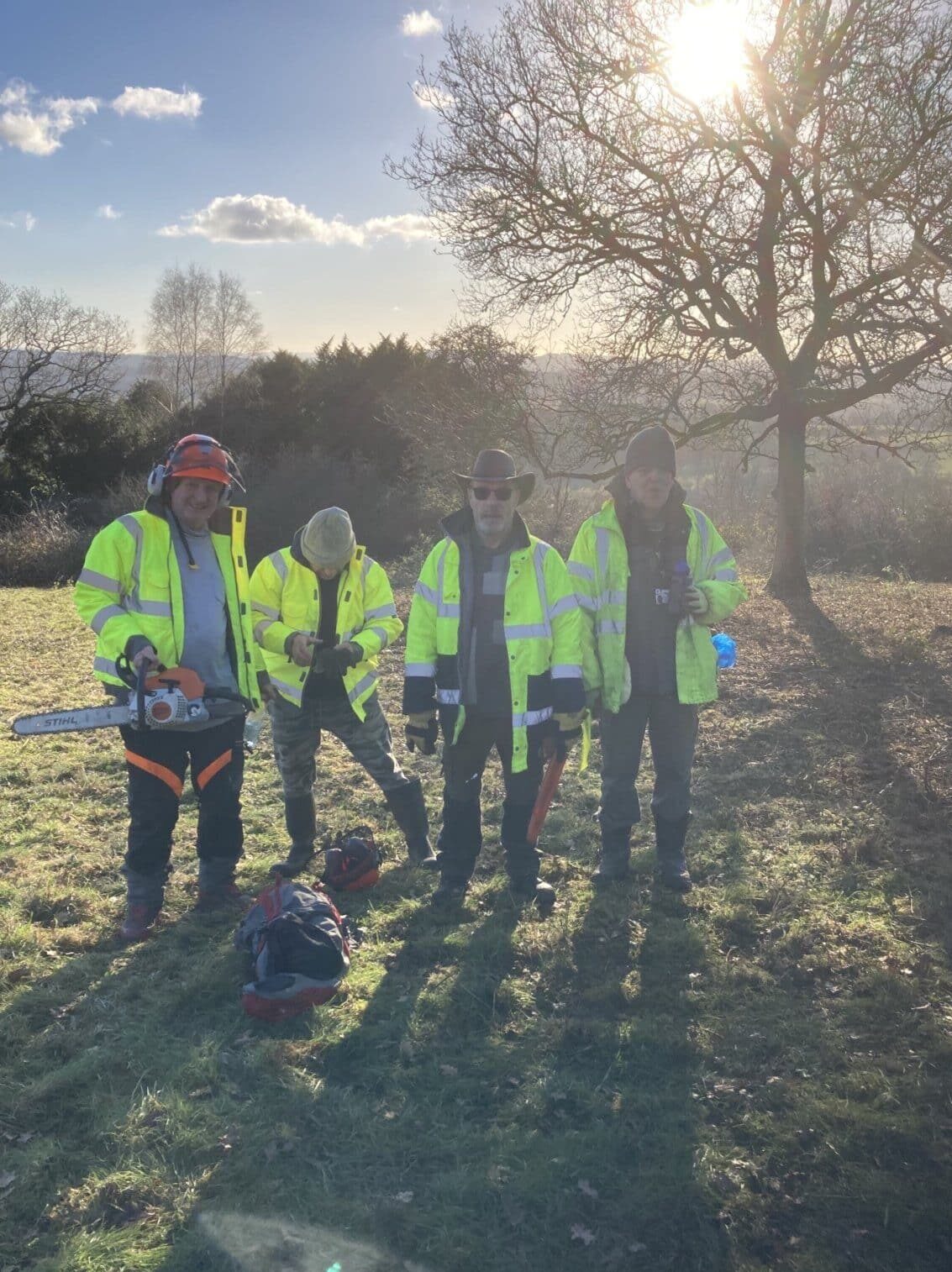
- Habitat management and scrub clearance
- Wildlife monitoring
- Litter picks
- Trail audits
- Path accessibility improvements

Community, education and wellbeing activities
Help connect people with the Surrey Hills through activities enjoyed by over 1,000 people each year, including:
- Guided walks and talks
- School engagement activities
- Wellbeing events and outdoor experiences
- Community projects and local initiatives
Events and visitor support
Support a wide range of public events, artisan markets and fairs by helping with:
- Welcoming and stewarding visitors
- Supporting exhibitors and activity areas
- Event set-up and pack-down
- Information points and visitor engagement

Arts, culture and community activities
Support the Surrey Hills Arts programme through:
- Creative events and exhibitions
- Performances and workshops
- Community arts projects
- Cultural activities celebrating the Surrey Hills landscape
Corporate volunteer days
Looking for a unique team-building or away day?
The Surrey Hills Rangers can provide memorable half-day or full-day practical conservation experiences where your team can make a genuine difference whilst enjoying the spectacular Surrey Hills landscape.

Conservation Volunteer projects







How you can make space for nature
Enquire about becoming a Conservation Volunteer.
The Surrey Hills Society also creates bespoke volunteering days for individual community groups and corporate volunteering days. These task days all contribute to the work of Surrey Hills Conservation Volunteers.
Support this rare and special habitat with the Heathland Connections project.
Don’t be too tidy in the garden and let the wild flowers in your lawn bloom, providing a feast of nectar for our hungry pollinators. Longer grass also allows for a better shelter for creepy crawlies and provides habitats for amphibians and small mammals.
Join legions of gardeners and say “no” to the mow during May as part of the Plantlife Every Flower Counts campaign. It’s simple, lock the lawn mower away for a month let your lawn provide a feast of nectar and pollen for bees, butterflies and other insects.
It’s simple and fun to attract bugs to the garden. Find a quiet spot, and pile up rocks, bricks, logs, twigs and leaves. Then do not disturb. This will become home to all sorts of important insects such as beetles and spiders. The Woodland Trust have got some great ideas on how to attract and create the perfect home for all wildlife, from Bug hotels and Log pile lodges to Pine cone palaces for ladybirds!
Solitary bees are important pollinators and a gardener’s friend. For those wanting tips on how to build a bee hotel The Wildlife Trust have got great advice on just what our ‘Buzzy’ friends like!
Birds are an important part of your garden’s ecosystem, and creating bird boxes and putting out food will help them thrive. Putting out a variety of different bird feed is a great way to attract different birds to your garden and help out bird populations at the same time. With nearly 30% of birds in Great Britain being threatened with extinction and the likelihood of extreme weather events to increase due to climate change, providing extra food could really help local bird populations flourish. The RSPB have got some great ideas on what to feed birds, watch this short video from wildlife gardening guru, Adrian Thomas.
Bats are a sign of a green and healthy environment, so creating a garden that’s good for bats will also be good for people. These small and fascinating creatures often live in close proximity to us, using our gardens as an important source of food, water and shelter. As their natural habitats become more scarce, our gardens are playing a more important role in securing a future for bats. The Bat Conservation Trust have a step by step guide to building your own bat box to encourage these wonderful creatures to your garden.